
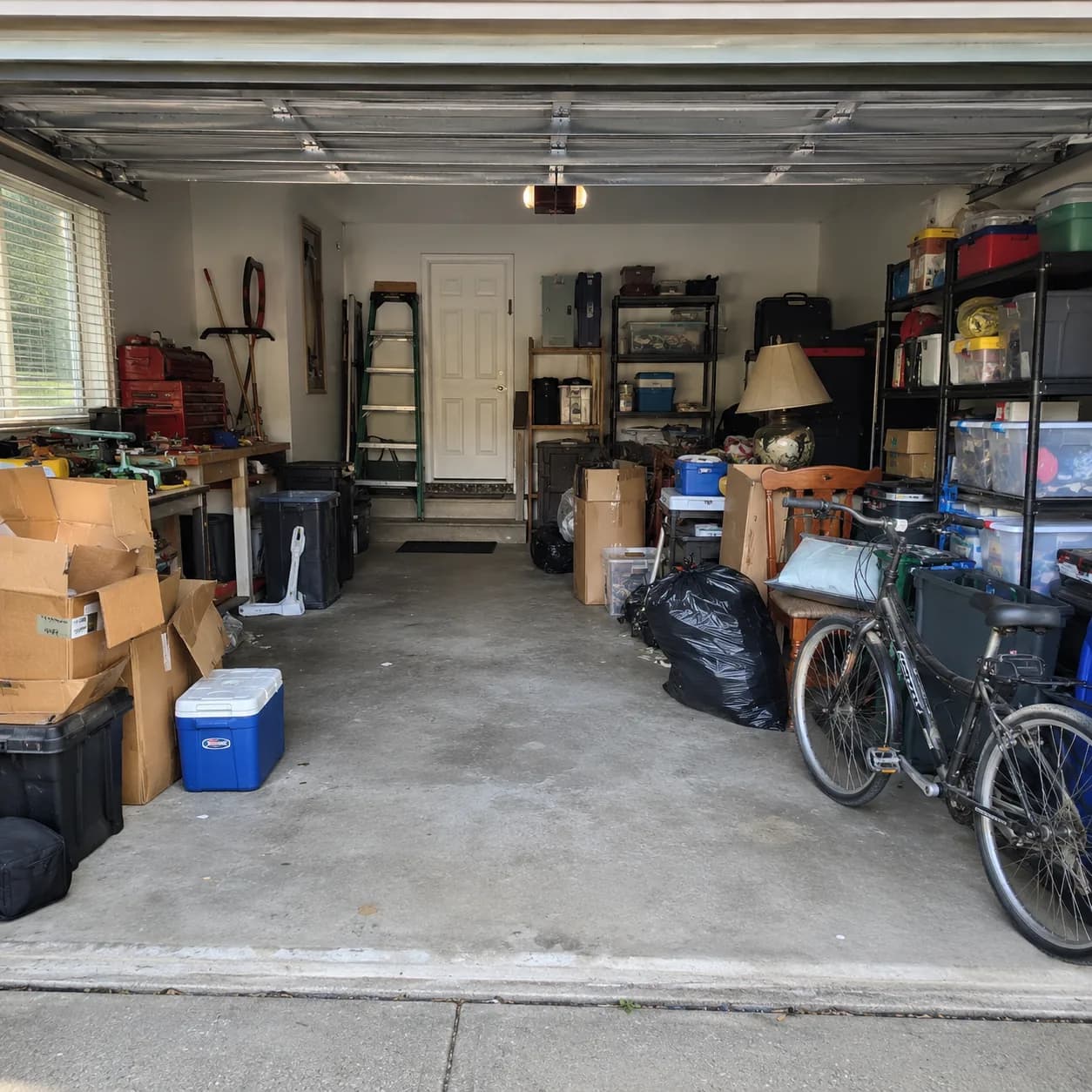
A home filled to the point where rooms can no longer be used is not a messy house that needs a weekend. It usually involves a person who is attached to what is there, real safety hazards, and a volume of material that is hard to picture until you start.
The order below puts safety and the person first, and leaves the hauling until the decisions have been made.
Start with the person, not the stuff
If the person who lives there is involved, their cooperation decides how the job goes. Clearing a home over someone's objections tends to fail and to damage the relationship, and the clutter often returns.
Agree goals in advance — a clear path through every room, a working kitchen and bathroom, safe exits — and agree what will happen to things before they move. A therapist or social worker familiar with hoarding can help where the situation is serious.
Check for hazards before anyone digs in
Heavily cluttered homes often hide problems that change how the work has to be done. Look for these before starting, and wear gloves, sturdy shoes and a mask.
- Blocked exits and paths that are unstable or could collapse
- Signs of pests: droppings, nesting or insects
- Mold, water damage or soft flooring
- Spoiled food, animal waste or sharps
- Overloaded outlets or appliances buried under material
Know where junk removal ends
Heavy clutter is a junk removal job: it can be scoped, sorted and hauled, though it needs more crew, more time and different protective equipment than an ordinary cleanout. Say so explicitly when you ask for a quote.
Genuine biohazard conditions — sewage, significant mold, or a death in the home — are different. They need a licensed remediation specialist, and are outside what a junk removal crew does.
Sort for keeps, valuables and papers
Agree a small set of categories — keep, donate, recycle, dispose — and a rule for anything uncertain. Expect to find important papers, cash, photographs and medication mixed in with everything else, so look before anything is bagged.
Ask the crew to set aside anything that looks personal or valuable rather than load it.
Pace it to what the person can manage
Some homes need clearing in days, because of a sale, an eviction or a safety order. Others go better a room at a time over several weeks. Both are normal.
Clearing a path and the kitchen and bathroom first makes the home safer straight away, and gives everyone visible progress.